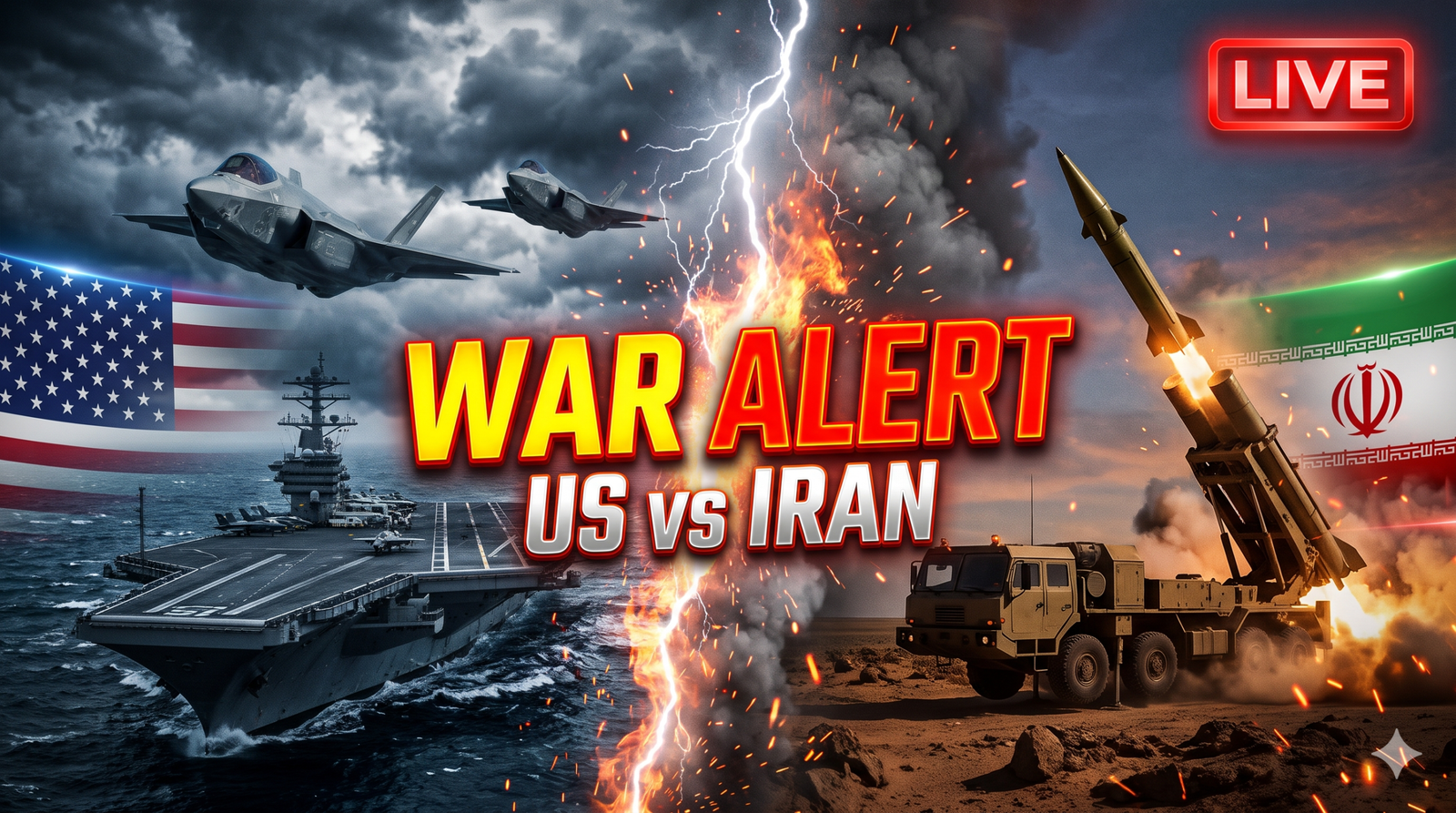
Across the Middle East and Washington, military alerts and diplomatic tensions have spiked sharply as the United States and Iran stand on the brink of renewed direct military confrontation, driven by escalating maritime friction, drone downings, and proxy clashes.
Washington Weighed New Strikes Amid Rising Rhetoric
The standoff reached boiling point following statements from Washington indicating that targeted military action remains actively on the table. U.S. President Donald Trump warned that the U.S. could launch another round of direct military strikes—referencing operations similar to the earlier “Epic Fury” strikes—unless Tehran comes to an agreement regarding regional security and maritime transit. Senior commanders have placed strike packages on high readiness across Gulf bases and naval task forces, while keeping diplomatic channels open through backchannel negotiators.
Simultaneously, U.S. intelligence agencies warned of advanced Iranian plots aimed at targeting U.S. regional personnel, prompting precautionary drawdowns of non-essential diplomatic staff and dependents across select Gulf posts.
Tehran Defiant: Drone Interception and Persian Gulf Warnings
In Tehran, Iranian political and military officials maintained an unyielding stance, dismissing U.S. military threats as strategic miscalculations. Iran’s armed forces stated that their units remain on the highest state of alert, cautioning that any new limited strike by Western forces would invite an asymmetrical, multi-layered retaliation.
Operational tensions flared directly along the Persian Gulf coastline, where Iranian air defense units reported intercepting and shooting down an American unmanned reconnaissance drone near the strategic southern port city of Bandar Abbas. Iranian military commanders reiterated warnings that Western naval ships attempting unauthorized maneuvers or enforcement operations within Persian Gulf waters would be met with hostile resistance, asserting that sovereign shipping routes and regional defense perimeters remain non-negotiable.
Regional Escalation: Houthis, Red Sea, and Gulf Air Defenses
The broader theater of confrontation has intensified as regional proxies and coalition forces exchange fire:
- Missile Interceptions Over Saudi Arabia: Saudi air defense systems intercepted multiple ballistic missiles and suicide drones launched by Iran-aligned Houthi forces targeting southern population centers, including Khamis Mushait, Abha, and Jazan. Falling shrapnel injured civilians in residential sectors before civil defense authorities declared alerts cleared.
- Chokepoint Clashes: Battles reignited around coastal corridors near the Bab al-Mandab Strait and the Red Sea entrance. Retaliatory strikes and maritime drone deployments have threatened commercial shipping channels, compounding anxieties that commercial traffic through both the Red Sea and the Strait of Hormuz could face renewed disruptions.
- Israeli Readiness: In Tel Aviv, defense officials continue pressing allies for preemptive action against fortified launch complexes and ballistic missile depots, pointing to ongoing existential missile threats.
Diplomatic Efforts and Global Market Jitters
Amid the military buildup, international mediation efforts led by Qatari and regional envoys are actively coordinating between Washington and Tehran to establish an immediate de-escalation pathway and prevent full-scale kinetic war. Mediators are pushing for an updated security understanding to avoid further mutual strikes on infrastructure and shipping lanes.
Global energy markets remain on edge. Crude oil benchmarks reacted with extreme volatility over fears that maritime blockades, naval mine reports, or renewed strikes on oil terminals could choke global supply routes. With combat sorties positioned across regional airbases and air defense systems tracking hostile contacts 24/7, the coming hours remain pivotal in determining whether diplomacy halts the slide into a broader regional war.